A Quiet Threat on the Coast
The beaches of Flagler and St. Johns counties have long been known for their fragile beauty: a ribbon of sand where sea turtles crawl ashore under cover of darkness to nest, year after year, despite storms, predators, and human disturbance. But another threat is spreading almost unnoticed along this stretch of North Florida: hidden trails cut through dunes and beachfront vegetation.
They may look harmless at first glance — a shortcut to the water, a sandy footpath, a small access point made by repeated use. Yet each trail can become a corridor for erosion, trampling, and light intrusion, weakening the very habitat sea turtles depend on. On a coast already grappling with sea level rise, these small disturbances add up fast.
Why Dunes Matter More Than Most People Realize
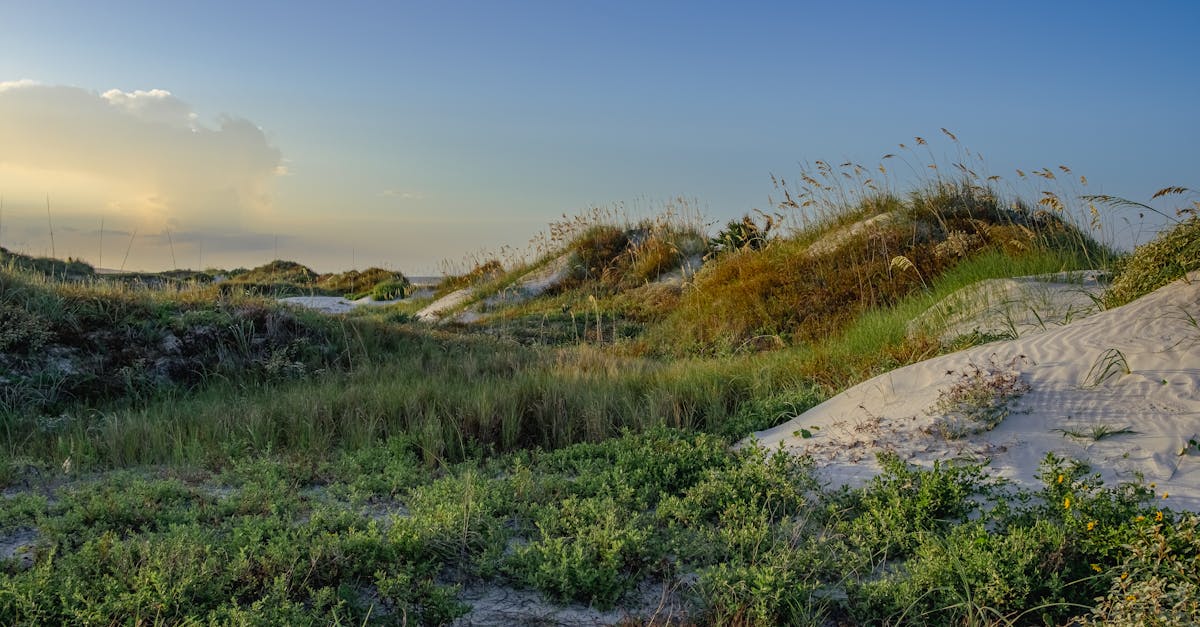
Healthy dunes are not just scenic backdrops. They are the first line of defense for nesting beaches and nearby inland areas, especially in a region where storms, king tides, and rising seas are reshaping the shoreline.
Dunes and coastal vegetation do several essential things:
- Stabilize sand with deep root systems
- Reduce erosion during storms and high tides
- Protect nests by creating natural elevation and buffer zones
- Block artificial light that can confuse hatchlings
- Support native wildlife beyond turtles, including shorebirds and insects
When hidden trails slice through this system, they can create weak points. Water channels more easily through bare sand. People follow the easiest route, widening the path. Vegetation gets crushed. And once a trail becomes established, it often becomes permanent.
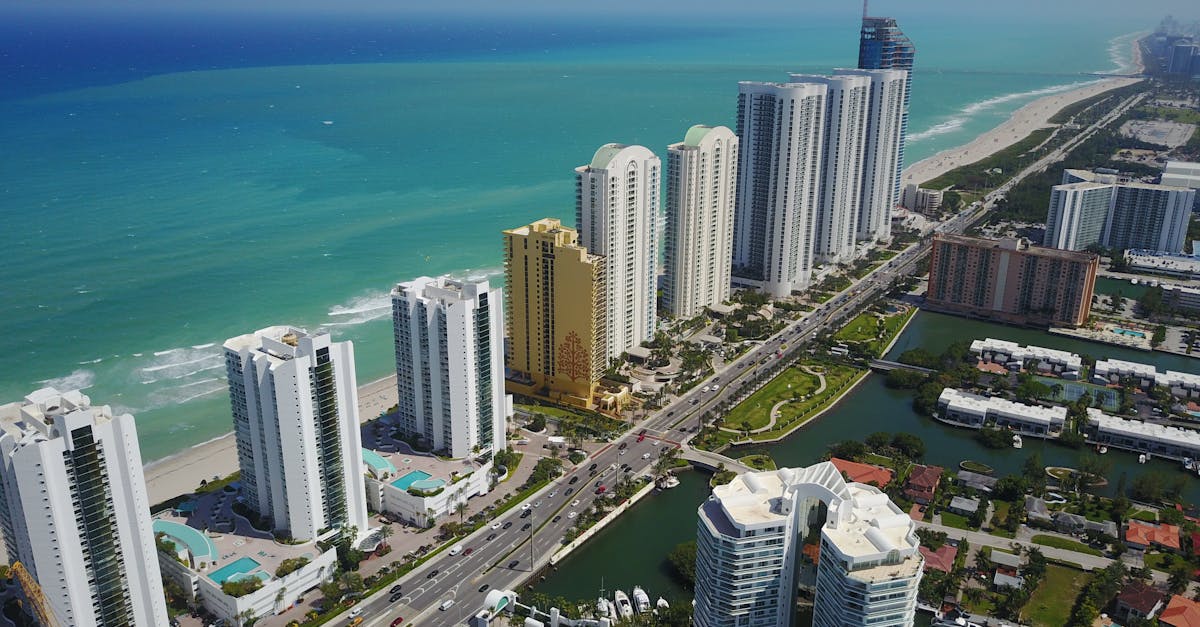
That matters in Flagler and St. Johns counties, where nesting beaches are already under pressure from development, beach use, and the changing coastline. The margin for error is shrinking.
Sea Turtles Need Darkness, Space, and Stability
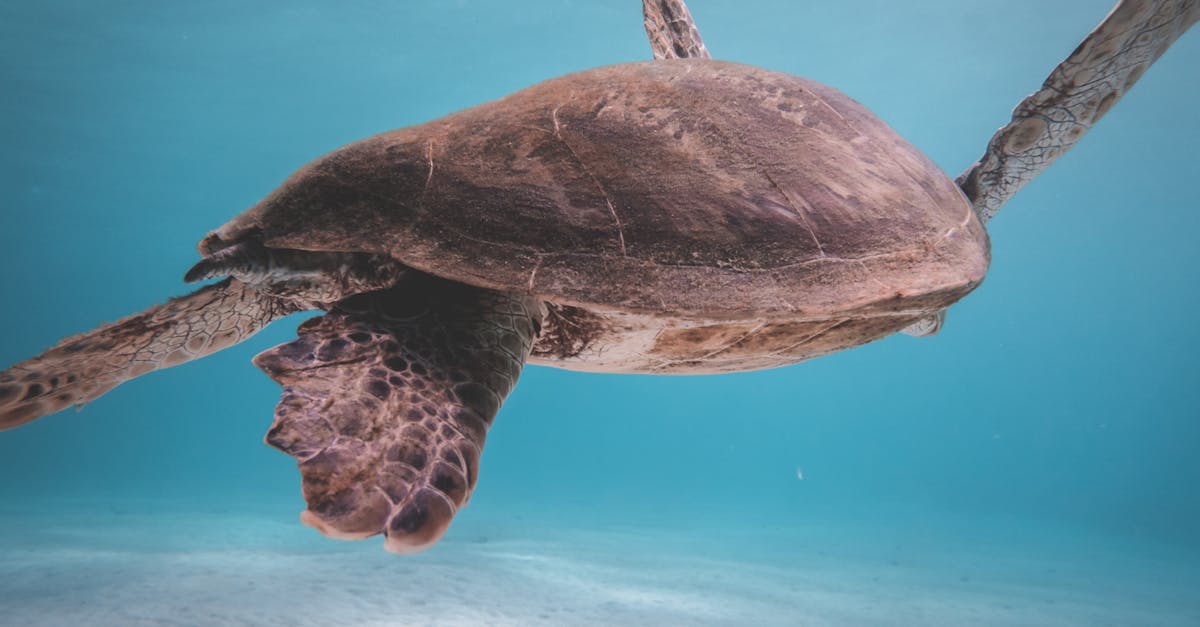
Sea turtles are ancient survivors, but they are not adaptable to every modern disturbance. Female turtles need relatively undisturbed beaches to lay eggs. Hatchlings need a clear path to the ocean, guided by the brightest horizon — which, naturally, should be the moonlit sea, not porch lights, condos, cars, or beach glare.
Hidden trails can affect nesting beaches in several ways:
- Direct trampling of nests or nesting areas
- Increased human traffic on sensitive dunes
- Reduced vegetation cover, making beaches hotter and less stable
- More predator access through worn paths
- Greater light exposure that disorients hatchlings
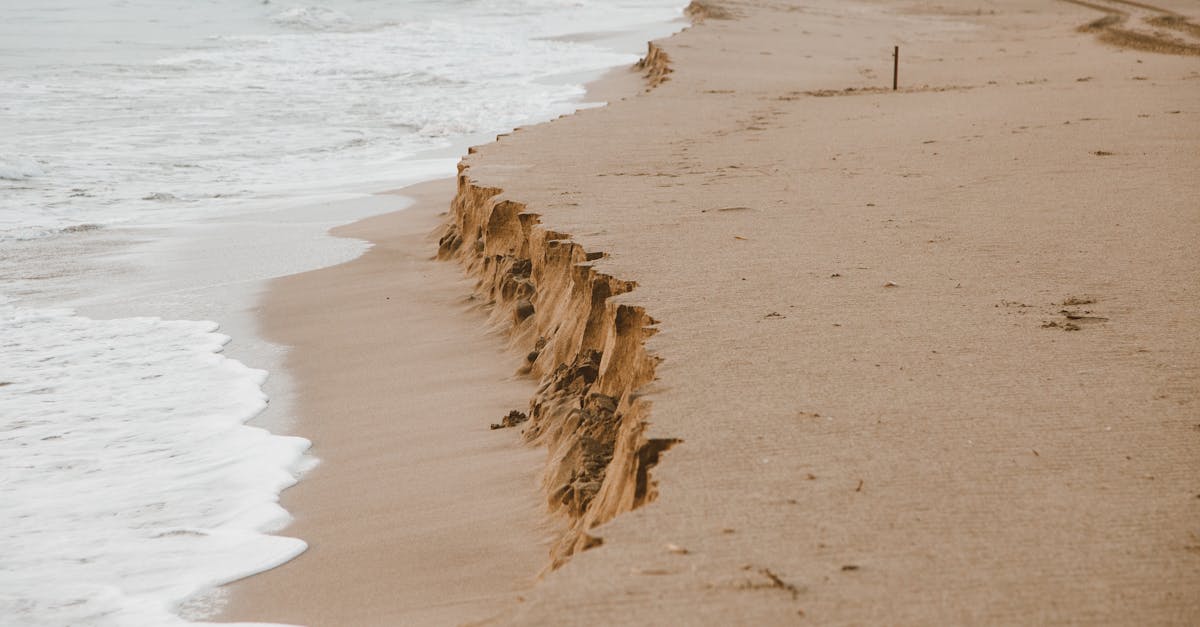
The trouble is that the damage often begins quietly. A single trail may not seem like much. But on a nesting beach, repeated foot traffic can compact sand, destroy vegetation, and alter the shape of the dune. That can leave nests more exposed to flooding — a growing concern as sea level rise pushes saltwater farther inland and higher onto the beach during storms.
Every shortcut through a dune is a small decision that can have a long coastal footprint.
North Florida’s Natural Shield Is Being Tested
The coast of North Florida has always been dynamic, shaped by wind, waves, and shifting sands. But the region’s natural systems are now contending with faster, more intense change. Sea level rise is not a future scenario here; it is already influencing where beaches exist, how often they flood, and whether nesting habitat can recover after storm events.
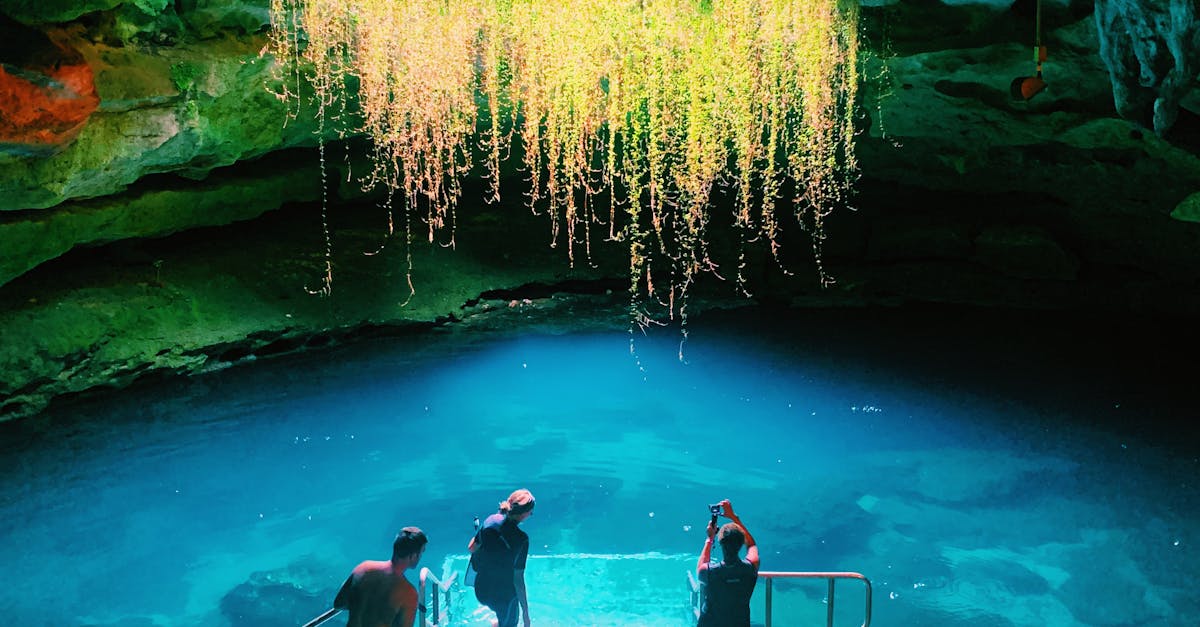
That’s why the connection between beaches, nature and springs, and coastal conservation matters so much. North Florida’s spring systems, estuaries, marshes, and barrier islands are all part of the same broader ecological story. Water moves through them. Species depend on them. If one piece is weakened, the effects ripple outward.
For sea turtles, that means nesting habitat can’t be treated as a static strip of sand. It is part of a living coastal system that needs:
- Vegetated dunes
- Minimal nighttime disturbance
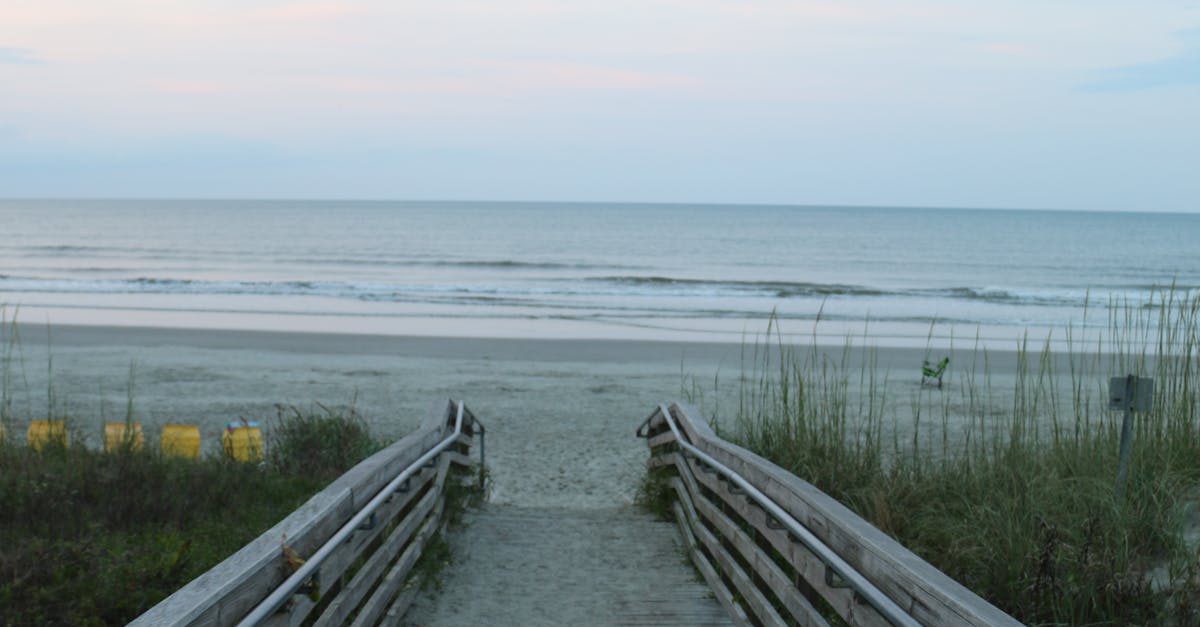
- Responsible beach access
- Careful management of footpaths and entry points
- Space for the shoreline to shift naturally
In some places, hidden trails form because official access is lacking or poorly marked. In others, they appear because visitors want a direct route to the beach and simply follow where others have walked. Either way, what starts as convenience can quickly become a conservation problem.
Protecting the Beach Means Managing the Human Footprint
The good news is that this threat is not impossible to address. In fact, it’s one of the more practical conservation challenges coastal communities can tackle — if they act early.
Effective protection often includes:
- Closing informal trails and restoring native vegetation
- Using dune fencing to guide people to designated crossings
- Improving signage near nesting beaches
- Reducing artificial light near the shore
- Educating residents and visitors about turtle-sensitive behavior
- Monitoring nesting areas during season for new erosion or access points
Local conservation efforts work best when they’re visible and consistent. When people understand that a narrow trail can undermine an entire nesting zone, they’re far more likely to change behavior. And because beaches in Flagler and St. Johns counties are part of a larger coastal network, protecting one stretch of shoreline helps strengthen the whole system.
The broader lesson is simple: conservation doesn’t always hinge on dramatic rescue efforts. Sometimes it depends on preventing small, cumulative harms — the kind that hide in plain sight.
A Coastal Future Worth Defending
Sea turtles have survived for millions of years, but their nesting beaches are becoming harder to protect in a warming, rising sea. That makes the invisible threats worth taking seriously. Hidden trails may seem minor, but on vulnerable nesting beaches they are part of a larger pattern: fragmented habitat, increased disturbance, and a coastline under pressure.
The beaches of Flagler and St. Johns counties still have a chance to remain strong nesting grounds. But that will require more than admiration for the view. It will require stewardship — from property owners, local governments, visitors, and anyone who values North Florida’s nature and springs as part of a resilient coastal future.
If the dunes hold, the turtles have a chance. If the trails keep cutting through them, that chance gets smaller every season.